During the rapid evolution of the blockchain industry, the Initial Coin Offering (ICO) emerged as one of the most influential fundraising mechanisms. It enabled startups to raise capital directly from a global audience without relying on traditional financial institutions, while also allowing ordinary investors to participate in early-stage opportunities that were previously inaccessible.
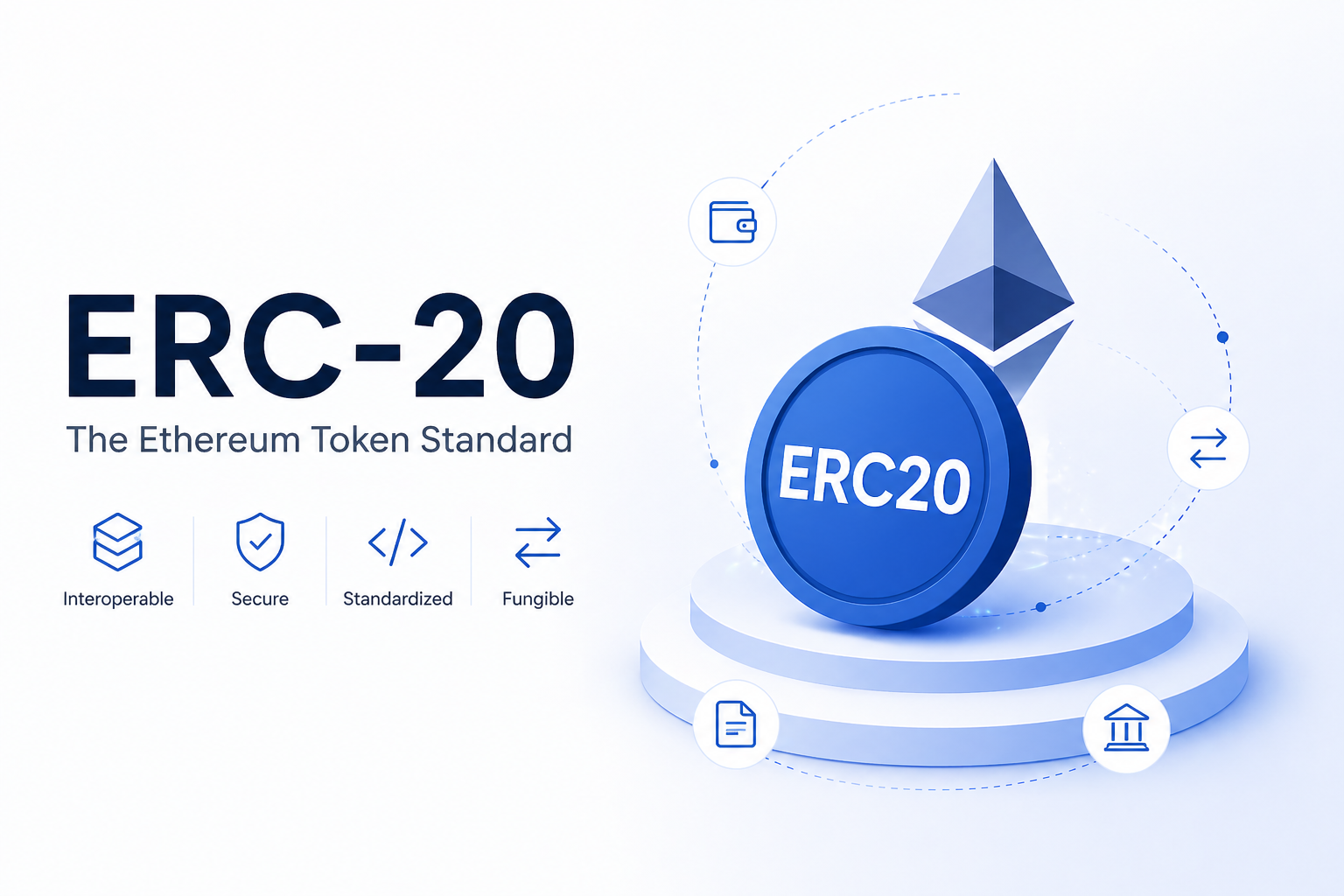
At its core, an ICO is relatively straightforward. Before launching a blockchain project, a team creates and issues a digital token, often built on platforms like Ethereum. The project publishes a whitepaper outlining its technical architecture, business model, and the intended utility of the token—whether for payments, governance, or ecosystem incentives. Investors can then purchase these tokens using established cryptocurrencies such as ETH or USDT.
Although ICOs are often compared to traditional Initial Public Offerings (IPOs), the differences are significant. IPOs provide investors with equity ownership in a company, whereas ICOs offer tokens that typically do not grant direct ownership rights. Instead, the value of these tokens depends on the project's success, adoption, and broader market conditions.
One of the most compelling aspects of ICOs is their openness and potential for high returns. With minimal barriers to entry, anyone with a crypto wallet can participate, making fundraising truly global and decentralized. During the 2017 crypto boom, numerous projects raised substantial amounts of capital within a very short period, and early participants in some cases achieved exponential returns.
However, these opportunities come with considerable risk. For a long time, ICOs operated in a largely unregulated environment, which led to the proliferation of low-quality and even fraudulent projects. Some teams failed to deliver on their promises, while others disappeared entirely after raising funds. Even legitimate projects face significant challenges in execution, and token prices can be highly volatile once trading begins.
As a result, the ICO model has evolved into more structured alternatives. The Initial Exchange Offering (IEO), for instance, is conducted through centralized exchanges like Binance, which provide a layer of due diligence and credibility. Meanwhile, Initial DEX Offerings (IDOs), conducted on decentralized platforms such as Uniswap, emphasize transparency and permissionless participation.
Although ICOs are no longer as dominant as they once were, their impact on the blockchain ecosystem is undeniable. They played a crucial role in accelerating the growth of decentralized finance and digital assets, while also pioneering a new paradigm of capital formation—one that directly connects global investors with innovative ideas through technology.