Just like fiat currency, coins such as Bitcoin or Ether are the native cryptocurrency that’s minted through the L1 blockchain protocol and
circulated on the blockchain network to fuel the crypto economy in its ecosystem. Bitcoin is sometimes referred to as a coin because they were the
first kind of crypto coin to be created. All other L1 minted coins are called Altcoins.
Tokens, on the other hand, are a form of cryptocurrency and act as a digital or crypto representation of the entirety or a portion of the tradable assets in
the blockchain ecosystem. They are created outside of L1, usually through smart contracts or L2 and Layer 3 ( L3 ) constructs.
There are many ways to categorize an asset and investments in TradiFi. The most well-known ones include stocks, bonds, currency, real estate,
commodities, futures, and financial derivatives. Some financial professionals also include art and collectibles, as well as cryptocurrency.
Crypto assets are tradable digital assets in the form of coins or tokens on the blockchain. They are a new class of assets that arise from cryptocurrency
and blockchain technologies. These are regulated autonomously from peer to-peer networks and are secured with cryptographic technologies.
Tokens typically fall under different categories, including the following:
- Utility tokens : Tokens that are created to fuel the Initial Coin
- Offerings ( ICOs ) or operations of Decentralized Applications ( DApps ).
- Security tokens : Tokens that are created and governed by financial
- regulations.
- Payment tokens : Tokens that are used for payment, including native
- coins or any tokens issued for payments, such as stablecoins.
- Fungible tokens : A type of transferrable token, similar to Bitcoin. One token equals one Bitcoin, functions as one Bitcoin, and has a value of one Bitcoin, similar to any other kind of Bitcoin.
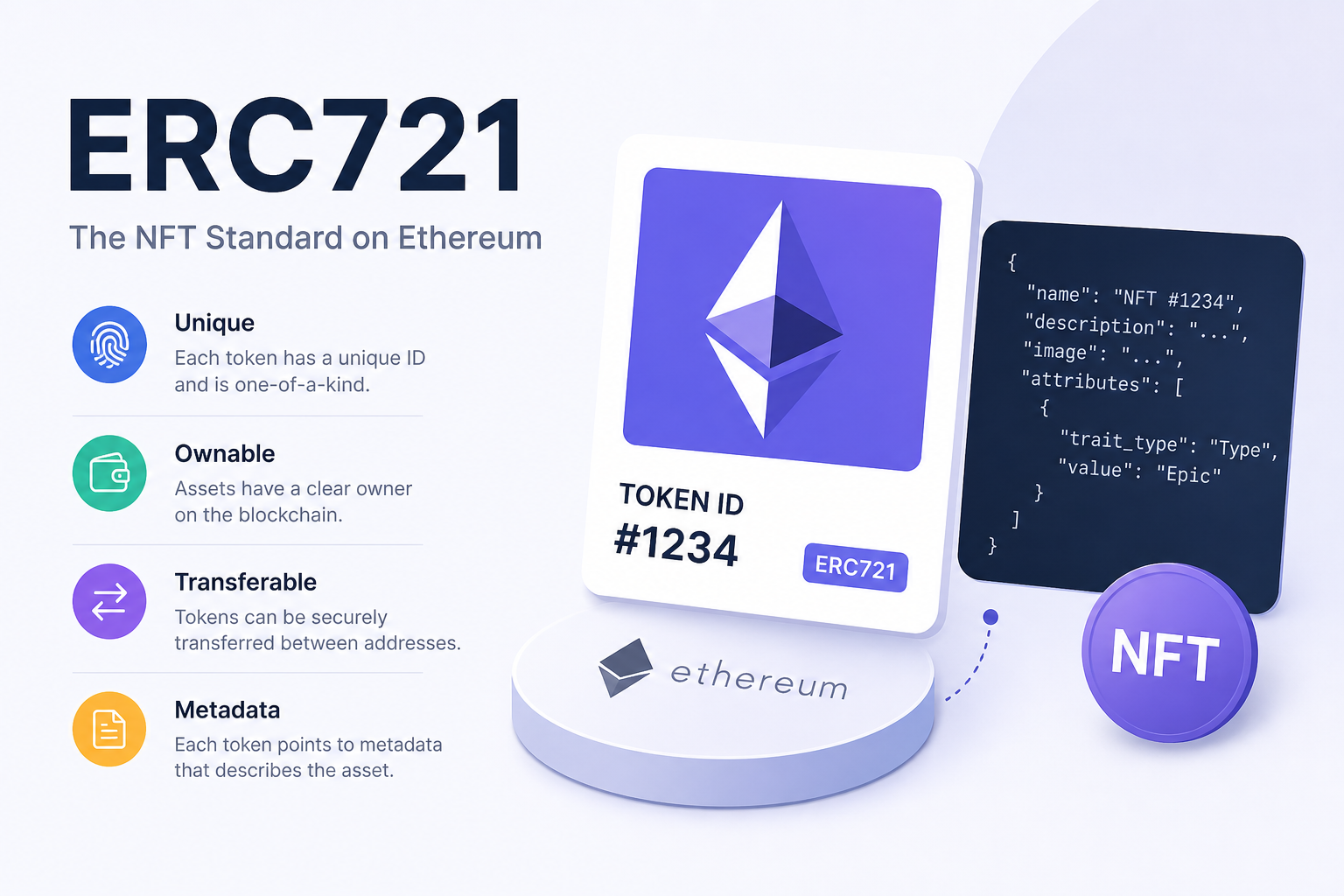
- NFTs : A type of token that represents a unique underlying asset – for example, a piece of original art.